



Why Pack Sizes Mean Five Recipes Don't Add Up to a Weekly Shop
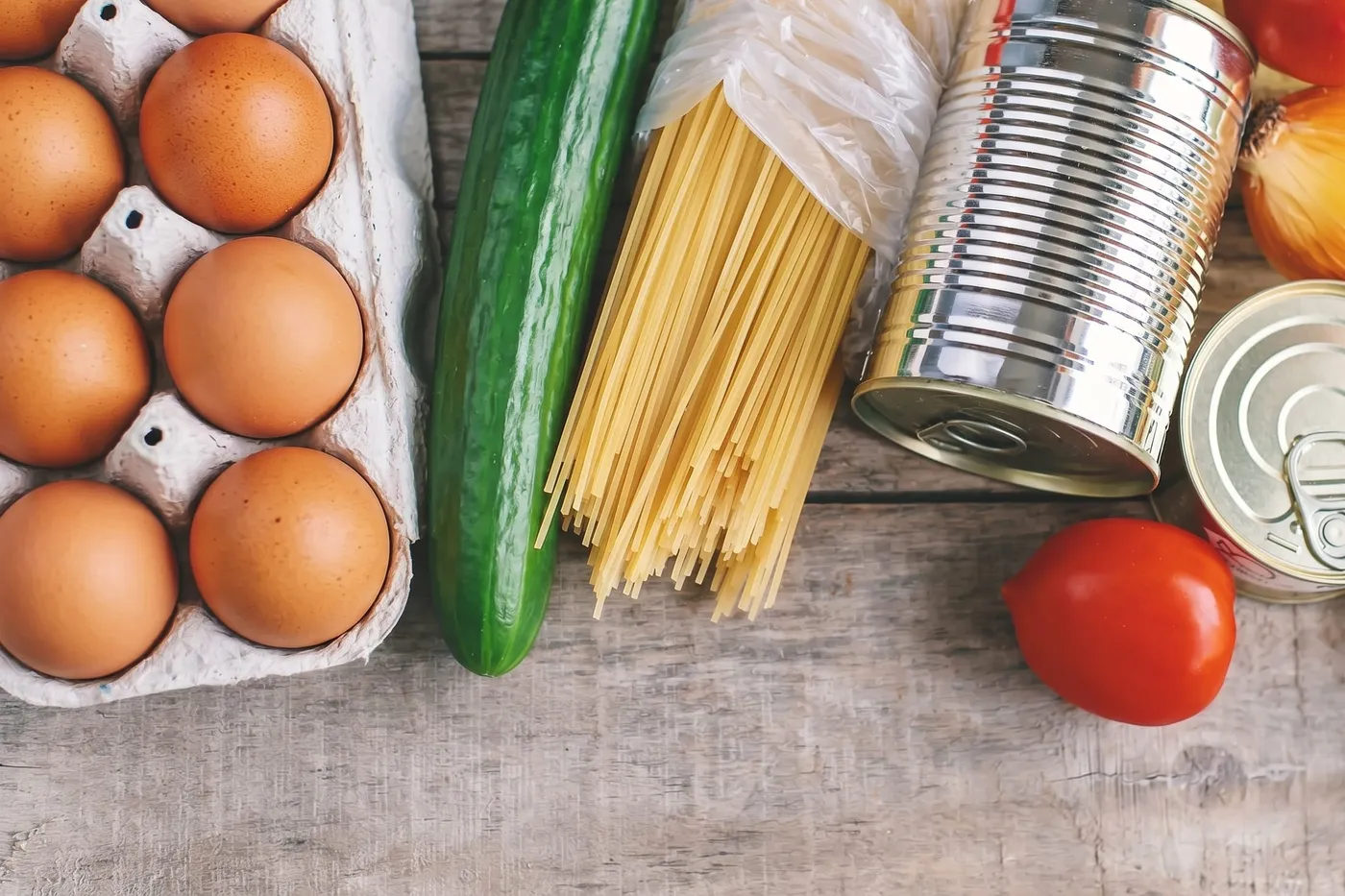
You find a recipe, it says it costs about £9 to feed four, and you think: fine. Then you get to the till and the shop has cost noticeably more than the recipes seemed to suggest. Nobody has overcharged you, and the recipes weren't lying either.
The gap is pack sizes, and it is worth understanding, because it is most of the difference between what a meal costs and what a week costs.
Shops sell packs. Recipes need amounts.
One of the more frustrating things about shopping in a British supermarket is how often you have to buy a big packet of something when all you need is a little of it. A recipe asks for one egg and the smallest box on the shelf holds six; it wants a couple of sprigs of parsley and the only parsley for sale is a bunch of thirty; it calls for 400g of mince and the pack in front of you is 500g.
Anyone who cooks from recipes will recognise the result – the coriander bought for a single curry, the tub of ricotta that lives in the fridge door until it goes out, the pot of soured cream that existed for exactly one meal. The recipe was costed honestly for what it actually needs, but your trolley ends up full of what the shop was willing to sell you.
For a single dinner there is not much to be done about that. What is more interesting is what happens when you cook five in the same week.
Cooking five dinners is not the same as buying five dinners
Price five recipes separately and each one, quite correctly, buys its own packs. Cook those same five across one week and you don't need to: the parsley bought on Monday is still perfectly good on Tuesday, the loaf stretches over two nights, and a piece of ginger will happily do three.
So the same five dinners have two different prices, depending on whether you decided on them before you shopped or after. That is one of the strongest arguments for planning a week, and the difference is bigger than most people expect.
What one pot of soup leaves behind
Minestrone is about as humble as dinner gets, and it leaves a surprising amount behind. It is worth being precise about which part of that actually matters.
Some of it does not. The soup takes a couple of potatoes out of a bag and a handful of pearl barley out of a packet, and both of those keep for months – you have restocked the cupboard, not wasted anything. The same goes for a jar of oyster sauce still nearly full after a stir fry. Bought is not the same as lost, and a shopping list that counted potatoes as waste would be crying wolf.
The fresh things are different, because they come with a clock attached.
| What you buy | What the soup uses | Left over |
|---|---|---|
| Bunch of celery | A stick and a half | Eight and a half sticks |
| Cauliflower | A few florets | Most of the head |
| Cavolo nero (200g) | 80g | 120g |
None of that is a mistake, and none of it can be solved at the shelf. The recipe asks for what it needs. But nobody sells a stick and a half of celery, or a third of a cauliflower, and there is no way to buy 80g of cavolo nero.
It is not only soup, either. A recipe wants two spring onions and the bunch holds eight; it wants a few sprigs of thyme and the smallest pack is 25g; it wants half a tub of ricotta. Add up a week of dinners and around half of what goes in the basket leaves something behind, sometimes a good deal more.
Some of it you can plan away
Not all of it is stuck, though, and eggs are the tidy case because you can count them. Take two recipes that could easily land in the same week. A pepper frittata needs ten eggs, so it buys a dozen. Turkey meatballs need one egg for binding, so on their own they buy a six.
| Recipe | Eggs it needs | Pack it buys alone | Guide price |
|---|---|---|---|
| Mixed pepper frittata | 10 | 12 eggs | £3.30 |
| Turkey ricotta meatballs | 1 | 6 eggs | £2.10 |
Cook both in one week and you need eleven eggs. Costed dinner by dinner, you buy eighteen and pay £5.40, because the meatballs have no way of knowing there are two spare eggs in the frittata's box. One 12-pack covers the lot for £3.30.
That is £2.10 on a week of dinners for four that runs somewhere around £70. Under 3%, and we're not going to pretend it's a fortune. But it is real money, and it is wrong in the direction that matters: upward, on a number someone is using to decide what to buy.
What we do with it
RealPlate prices every recipe against the smallest pack that covers what it asks for, because that is genuinely what you'd buy if you cooked it tonight. The weekly shopping list then looks at pack sizes of the same product together and re-costs them as the cheapest combination that covers the week.
Which is why a recipe page and a weekly total can disagree. On its own, the frittata shows £3.30 of eggs, because on its own that is what it costs. The meatballs show £2.10. Put both in one week and the list shows £3.30 for the pair, because you only buy the box once. Both numbers are true; they are answering different questions.
The celery, though, is the more common case, and no amount of re-costing makes half a bunch of it go away. So rather than leave you to find it in the drawer on Sunday, the shopping list adds the leftovers up across all five dinners together – not recipe by recipe – and puts a few ideas beside each item. Not all of it has to become another dinner, either: ginger and chillies freeze without complaint, jars and tins will outlast the month, and that half bag of spinach is really a lunch. A night left deliberately flexible is where the rest tends to end up.
None of this is about spending as little as possible. Some dinners are naturally more expensive than others, and that is a choice about the food rather than a failure of planning. What planning does is make the number honest, and put it in front of you before you shop, not at the till.
Prices here are Tesco guide prices, checked monthly, and they cover what you buy, not what is already in your cupboard. We use standard shelf prices rather than temporary promotions, so the figure doesn't depend on an offer that may have disappeared by the time you get there.
Ready to put real food on the table this week?
Start planning →