
Is a Cast Iron Pan Worth It?
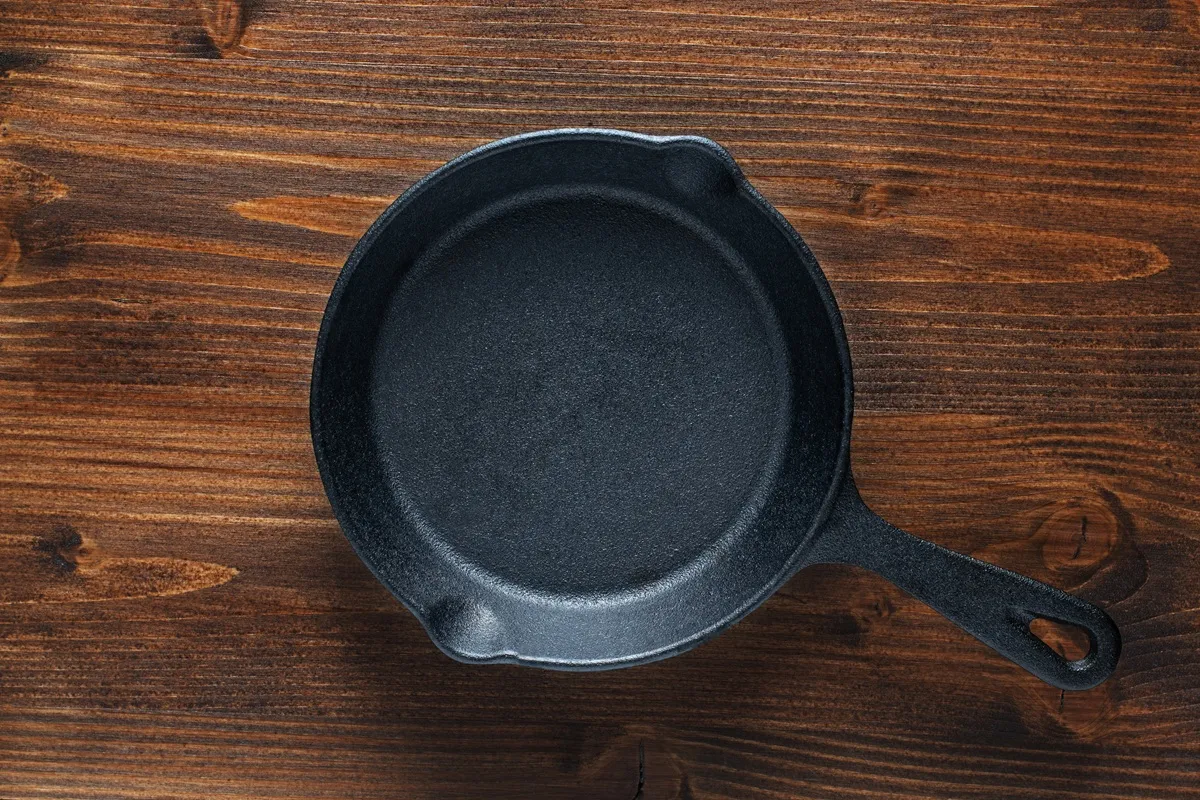
You don't need a lot of equipment to cook well. A non-stick pan handles most meals – it's easy, quick and reliable. Adding a cast iron pan is a simple upgrade that improves certain dishes.
1. Your everyday pan
Non-stick is the one most people reach for, and it's the right choice for:
- Eggs and omelettes
- Pancakes
- Quick, low-effort meals
- Anything delicate
Stainless steel sits somewhere between the two. It's less forgiving than non-stick for eggs and delicate food, but it browns meat well and leaves browned bits on the base that you can loosen into a pan sauce with a splash of wine, stock or lemon. Nothing sticks to non-stick, so there's nothing to lift.
2. Cast iron is a different tool
Cast iron is unusually heavy, and the weight is the point: once it's properly heated, it doesn't cool much when cold food lands on it. A lighter pan drops in temperature the moment the food goes in, and food meeting a cooling pan steams instead of browning.
Cast iron isn't a better pan; it simply holds its heat unusually well. That makes browning easier, particularly in larger quantities.
3. Use cast iron for browning
It comes into its own for:
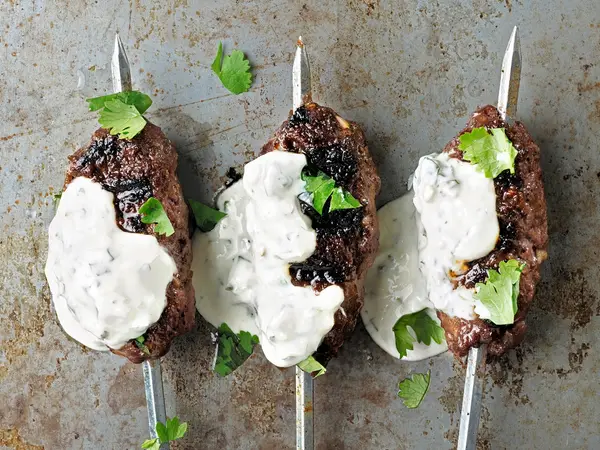
- Meat (chicken, steak, koftas)
- Vegetables (for colour, not just softening)
- Toasting bread or flatbreads
4. Add one, don't replace
This isn't about swapping everything over to cast iron. Your non-stick stays the everyday pan, and cast iron comes out for the jobs above – browning meat, colouring vegetables, toasting bread. For anything else it's just heavier, slower to heat up, and no better.
5. Keep it simple
Cast iron doesn't need much care:
- Wash with hot water
- Dry it straight away
- Oil it if the surface looks dry
6. Frying pan or griddle
A large frying pan is the more versatile buy. It browns, it goes in the oven, and it holds juices, sauce or a shallow bit of liquid, none of which a griddle will do.
If you mainly want it for batch cooking, consider a large griddle instead. Griddles come in all sizes and a small one is no more use than the frying pan you already own – the size is the whole feature. A large one fits a batch of flat food in one go rather than two or three: koftas, burgers, chicken, slices of bread.
Flat or ridged is worth a thought too. Ridges give you char lines but only touch part of the food; a flat surface makes full contact, which is what smash burgers need. Across our own recipes a griddle earns its place most clearly in the smash burgers, the lamb koftas and the Greek chicken, plus any bread or flatbreads you want to toast in batches.
Ready to put real food on the table this week?
Start planning →